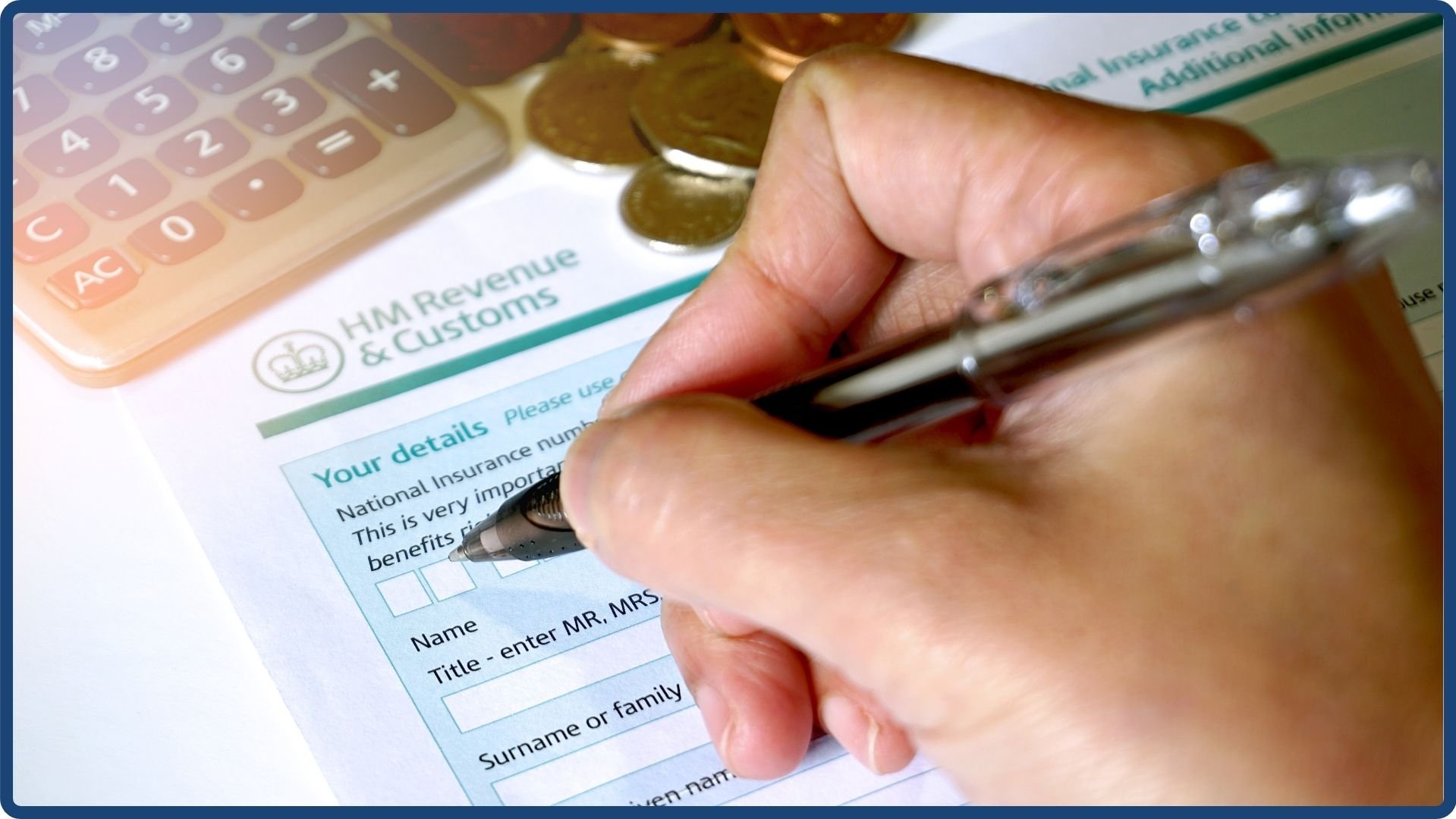
In the recent Budget the Chancellor announced an expansion to ensure the collection of more unpaid taxes. Whilst steps are already in place that sees government tackling businesses with underpaid tax debts, they accept that more needs to be done. Which is why Rachael Reeves announced that the government is investing further in HMRC’s debt management work and will be tasked with publishing a new tax debt strategy which outlines plans to deliver year-on-year reductions to the overall tax debt balance as a percentage of tax receipts.
The government will publish a consultation in early 2026 considering ways VAT and Pay As You Earn (PAYE) liabilities can be paid promptly without the taxpayer falling behind on their
payments, including requiring more tax payments by direct debit. The consultation will also review the delivery of change, on timelier tax payments for those with only self-assessment income.
The wider scope of these proposals will explore steps to ensure more timely payments in-year for income tax self-assessment taxpayers (ITSA) with Pay As You Earn (PAYE) income to pay more of their self-assessment liabilities via regular payments throughout the year from April 2029. Therefore the consultation will set out the details of how the proposals will operate through PAYE and impacts for employers.
This will change the landscape for the self-employed, that currently declare additional tax liabilities via self-assessment and underpayments are by default adjusted through the personal allowance, so adjusting the tax code (coding out), which increases taxable income or by payment on account allowing the repayment of tax to be spread across a defined period of time as agreed with HMRC.
Under the new proposals those subject to ITSA will suffer tax deductions at source through the payroll, therefore leading to increased tax deductions spread across the relevant tax year, however with the PAYE 50% income tax limits, this may well be a hinderance for higher earners and lead to further prolonged repayments.
So, as the consultation is due in April 2026, make sure all involved provide feedback, of course the changes are not effective until April 2029, but your comments could help shape some the mechanics of the proposals.
Ahead of this the Government is proceeding with updates to the penalty regime for Self-assessment and late submissions for ITSA taxpayers. Late submission penalties will not apply for quarterly updates during the 2026-27 tax year for (ITSA) taxpayers required to join Making Tax Digital (MTD). However, the new penalty regime for late submission and late payment will apply to all ITSA taxpayers not already due to join the new system from 6 April 2027. The increase in penalties for late payment of ITSA and VAT will apply from 1 April 2027. This will be legislated for via secondary legislation.
Responses to the ‘Reform of Behavioural Penalties’ consultation seeking to modernise the approach for accuracy and failure to notify, will be published in due course.
If you missed it here is a link to the original guidance: https://www.gov.uk/government/consultations/behavioural-penalties-reform/reform-of-behavioural-penalties--2